
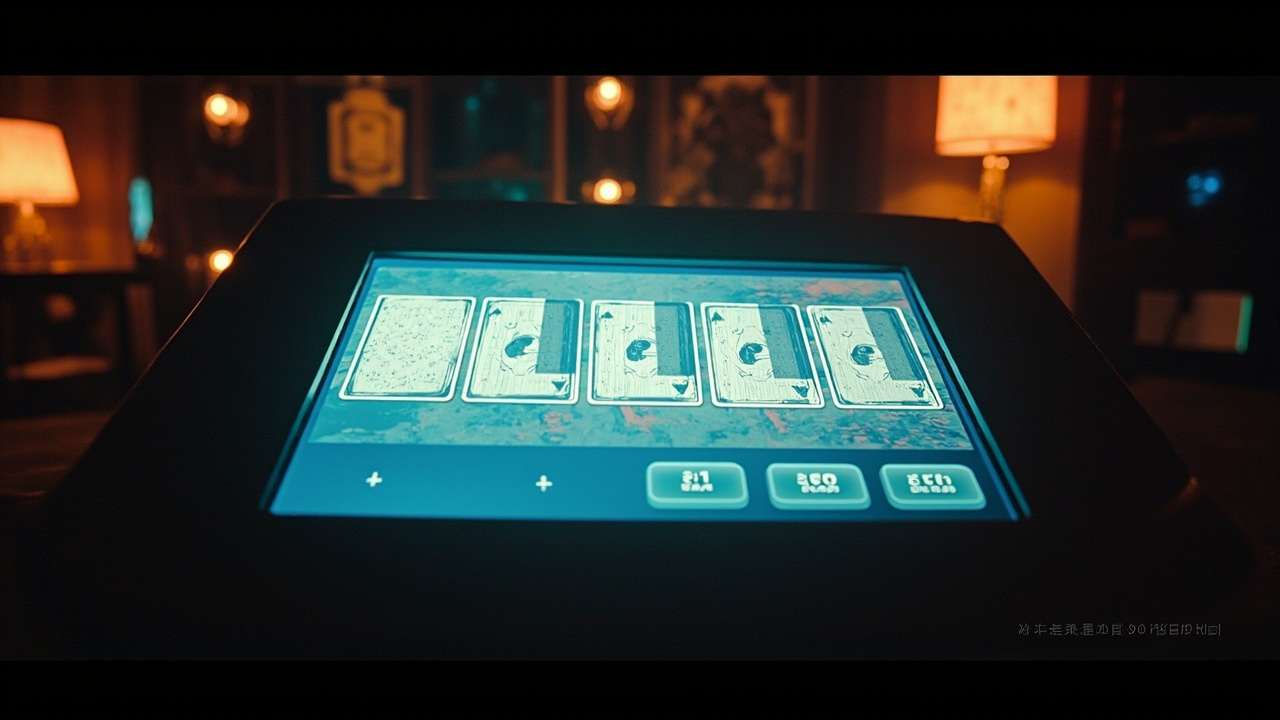
Chemin de fer rules sit at the heart of a card game that feels closer to a quiet private salon than a neon-lit floor. For players comparing options across different markets, the way these rules shape pace, betting rounds and dealer rotation matters more than flashy graphics. This walkthrough follows a player from first shuffle to final bet, showing where the mechanics actually change the experience rather than just describing them in the abstract.
How A Player Encounters The Table Flow
A typical session begins with the bank rotating among players, which is the first thing newcomers notice when they study chemin de fer rules. Unlike variants where the house always holds the bank, here the right to deal passes clockwise, and each player who accepts the bank sets the tempo for that round. The shoe runs through a fixed sequence, and once eight decks are exhausted the turn passes on, so the rhythm depends on who is sitting where rather than on a dealer pushing cards at a fixed speed. I have watched Japanese high-rollers treat this rotation like a scheduled Tokyo train platform, where every party knows exactly when their turn arrives and nobody rushes the person holding the bank. That comparison matters because the rule creates a natural pause between hands, and patient players who understand the rotation can read the table instead of reacting to every card as it appears.
The betting window opens before any card is turned, and the rules around calling “carte” or “non” only matter once the initial totals are visible. A player who receives a two-card total of five or less must draw, while the bank follows a fixed set of totals that removes most of the improvisation from the dealer side. What changes the feel of the game is that the player holding the bank makes the calling decision on both sides, so the tension sits with whoever is running the shoe rather than with each individual bettor. Archie Phillips, Head of Analytics, Boomerang Gaming Insights, has noted that tables with a clear bank rotation tend to keep session lengths steadier, because the responsibility shift gives every participant a reason to watch the whole sequence instead of focusing only on their own seat.
What The Rules Mean For Wagering And Session Planning
The wagering side of chemin de fer rules is where a player’s budget and the table’s pace start to intersect. Because the bank rotates and each rotation covers a full cycle of hands, the bet sizes need to fit a session rather than a single hand. A player who treats each rotation as a fixed block of play can plan their bankroll around the number of times the shoe passes through their position, which is a different discipline from games where every hand resets the decision tree. In my own work across French and Mandarin markets, I have seen VIP players structure their sessions around the rotation count rather than the number of cards dealt, and that approach usually produces steadier pacing than chasing individual hands. The rule set itself does not promise any outcome, but it does create a structure that rewards players who think in terms of full rotations instead of isolated moments.
The drawing rules also affect how a session unfolds once the bank is active. When the player-banker holds a total of six or seven, the hand stands, and when the total sits at four or five the bank draws, which removes a lot of the guesswork that exists in other card games. That fixed response means the tension comes from the opening totals and from the choice to call “carte” when the rules allow it, not from trying to outguess a dealer who has discretion on every card. Matilda Scott, Head of Product, Southern Star Esports, has pointed out that players who understand the fixed drawing totals tend to describe the game as more readable than it first appears, because the bank’s responses are set in advance and the only real variable is the player’s own call when the situation arises.
Linking The Rules To What Players Actually Need
For an Australian player sitting down with chemin de fer rules in front of them, the practical question is usually how the table fits into a longer session rather than how a single hand plays out. The rotation system means a player who arrives at a busy table in Sydney might wait a few turns before the bank comes around, and that waiting period is part of the game rather than a delay to be rushed through. I have compared that wait to a Saturday queue at a Bunnings sausage sizzle, where the line moves steadily and everyone knows the order is coming, which is a better fit than pretending the table will clear out on demand. That kind of pacing matters because players who expect instant action often misread the game as slow, when in fact the rhythm is simply built around the bank passing from seat to seat.
The rules also shape how a player should think about table selection and bet sizing. A table with fewer seated players means the bank returns more often, which suits someone who wants more hands in a fixed window, while a fuller table stretches the rotation and gives each player more time between decisions. None of that changes the drawing totals or the calling options, but it does change how the same rule set feels in practice, and players who match the table size to their preferred pace usually settle in faster than those who ignore the rotation entirely. The game does not need to be rebranded as faster or slower; it just asks for a different kind of attention than a round where every hand runs on the same fixed schedule.
A clear understanding of chemin de fer rules turns the table from a string of isolated hands into a rotating sequence that rewards patience and a steady bankroll plan. Players who treat the bank rotation, the fixed drawing totals and the calling window as the real structure of the game usually find the pace easier to read than the rules first suggest, and that readability is the strongest reason to spend time with the format rather than treating it as a quick diversion. dog house megaways demo